If you’ve been told by your eye doctor that you have cataracts, you’re not alone. About 83.5 million people experience visual impairment from cataracts.1 As you start to notice these visual changes, your doctor may talk to you about cataract surgery. Here’s what you need to know about cataracts, cataract surgery, and your lens options.
What Are Cataracts?
Inside your eye, you have a natural lens that is responsible for focusing light rays that enter the eye and helps you see. At birth, the natural lens is clear. As you age, however, the proteins in your lens break down and clump together, causing it to become cloudy. Over time, the cloudy lens may cause side effects, including blurry, dim, and distorted vision. It may also cause objects to look hazy or less colorful than what you’re used to, kind of like looking through a foggy or dusty car windshield.
While cataracts are most often related to the natural aging process and develop gradually, they can also develop quickly and/or be caused by:
- Medical conditions like diabetes
- Eye injuries, previous eye surgery, or radiation treatments on your upper body
- Spending a lot of time in the sun, especially without UV-protective sunglasses
- Certain medications, such as corticosteroids, that may cause early cataract formation
- Smoking
- Having parents, siblings, or other family members who have congenital cataracts
Unfortunately, cataracts don’t improve on their own, and your eye doctor can’t predict how quickly your cataract will progress. The only way to restore clear vision is through cataract surgery, which replaces the cloudy lens with an artificial lens, called and intraocular lens (IOL).
What Happens During Cataract Surgery?
Cataract surgery is typically recommended once the cataracts affect your daily life, keeping you from doing things you want or need to do.
Cataract surgery is one of the most common and safest procedures performed today. It helps millions of people regain clear vision each year. Let’s walk through what cataract surgery involves, how safe it is, and how new technology like the RxSight Light Adjustable Lens® (LAL®) can give you more control over your vision than ever before.
Cataract surgery is a straightforward outpatient procedure. It may be performed in an outpatient surgery center or in a hospital, and your eye surgeon will provide you with pre-surgical instructions. Here’s what to expect the day of your procedure:
- Anesthesia: You will be awake during surgery and may see light and movement during the procedure. Your eye is numbed with drops or local anesthesia around the eye so you’re comfortable. You may also be given medicine to help you relax.
- Lens removal: Your eye surgeon makes a tiny incision used to access the cataract and uses gentle ultrasound energy to break it up. The cataract is then removed through the same small opening.
- Lens replacement: A clear artificial IOL is placed where your natural lens used to be. In most cases, the incision is “self-sealing” and heals naturally without stitches.
- After surgery: A shield will be placed over your eye to protect it, and you will rest in a recovery area for about 15 to 30 minutes while you recover from anesthesia.
How Safe Is Cataract Surgery?
Cataract surgery is one of the safest surgeries performed in medicine. In the United States, it has a success rate exceeding 95%.2 Serious complications are rare, and most patients notice vision improvement within the first few days after surgery.
Choosing Your Lens
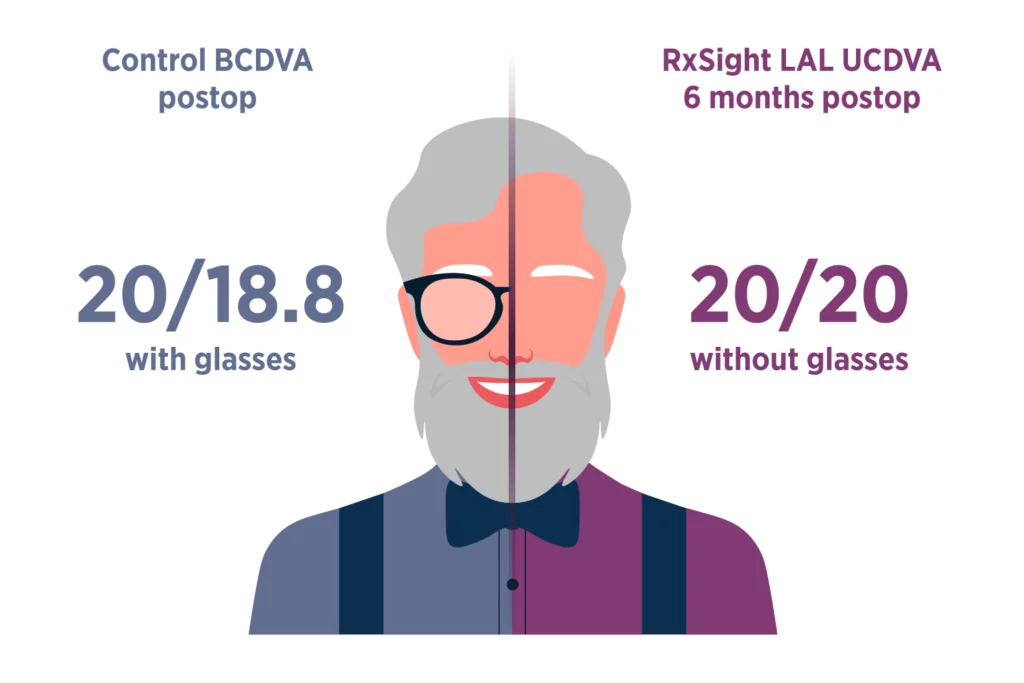
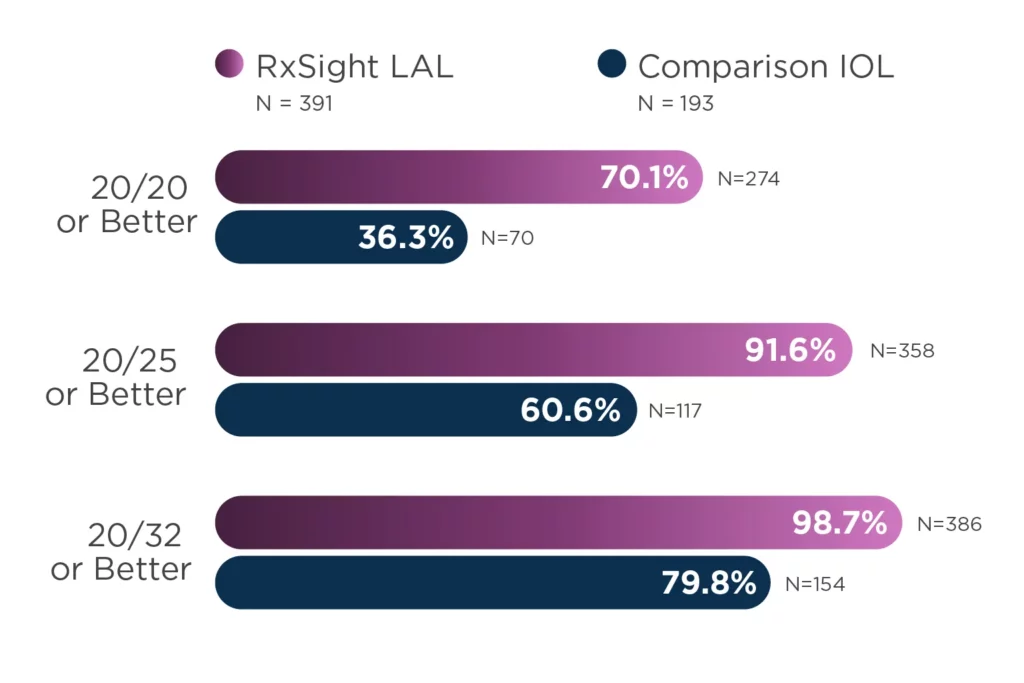
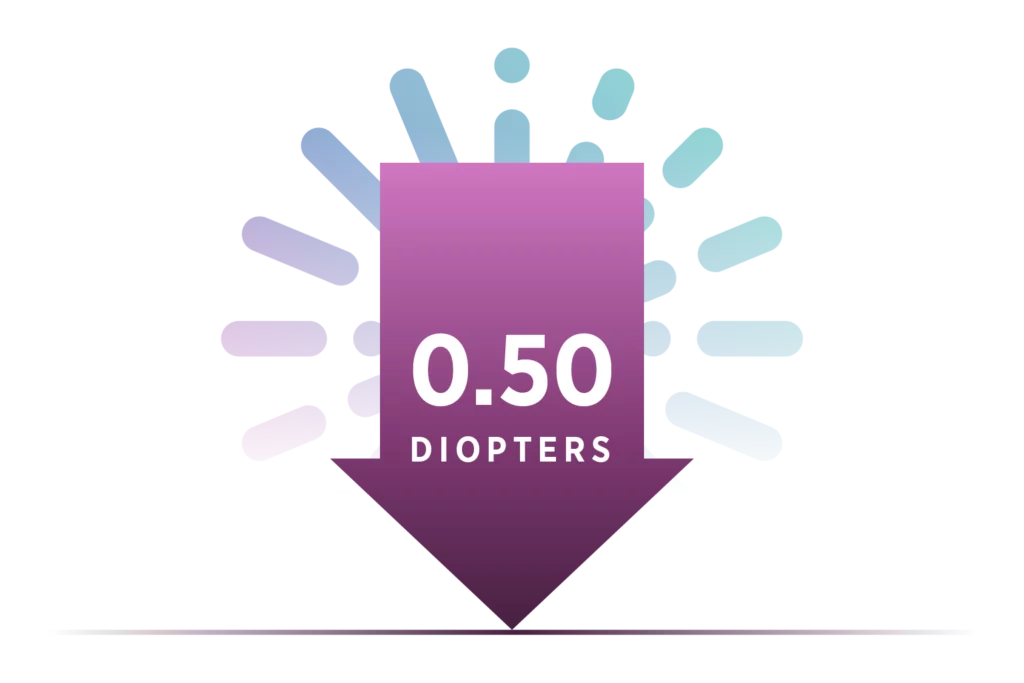
IOLs are permanent. The IOL you choose will be the one you will see through during every waking moment. Traditional IOLs are fixed lenses and require your surgeon to make precise eye measurements and select the lens power before surgery. Once it’s implanted, it cannot be changed without additional surgery. Luckily, newer technology exists to offer more possibilities for personalized vision. The LAL is the only IOL that can be customized after surgery, giving you the ability to preview and adjust your vision for your lifestyle and preferences. Your eye care specialist uses painless light treatments to fine-tune your vision in the weeks following your procedure, helping you achieve the vision that feels best for you.
The Bottom Line
Cataract surgery is a quick, outpatient procedure that can restore your vision and improve your quality of life, often in less than 15 minutes per eye. It has a short recovery period and an excellent safety record, helping you return to your everyday activities in no time. And with the LAL, you have more choices than ever before in how you see after surgery, giving you extra confidence that your lens will be adjusted to your unique needs after you’ve had a chance to experience your new vision.
- Vision Loss Expert Group of the Global Burden of Disease Study; GDB 2019 Blindness and Vision Impairment Collaborators. Global estimates on the number of people blind or visually impaired by cataract: a meta-analysis from 2000 to 2020. Eye (Lond). 2024;38(110:2156-2172).
- Moshirfar M, Milner D, Patel BC. Cataract surgery. July 18, 2023. Accessed August 13, 2025. StatPearls [Internet]. https://www.ncbi.nlm.nih.gov/books/NBK559253/