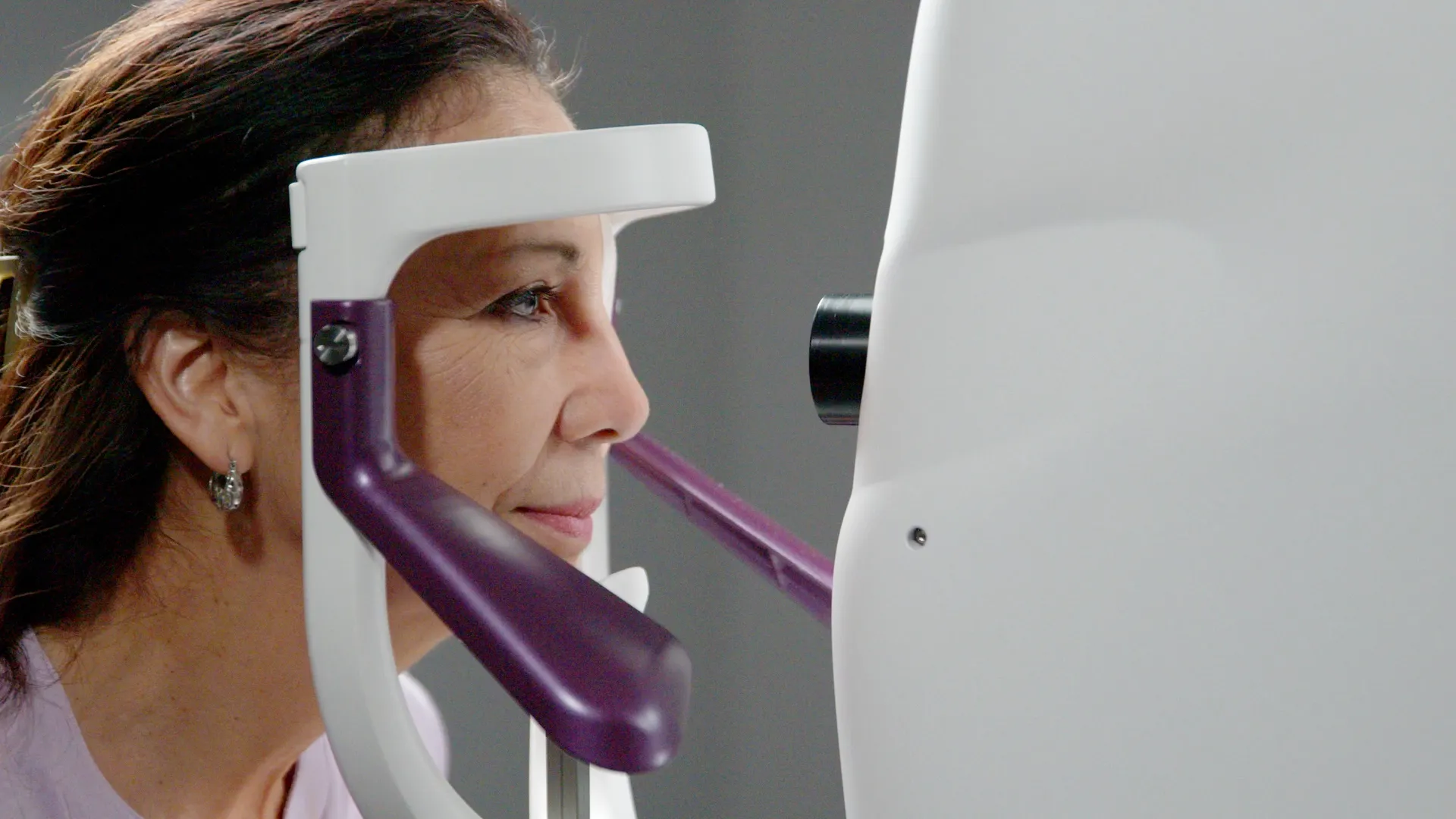
Light Adjustable Lens patient during lock-in with the Light Delivery Device (LDD)

Light Adjustable Lens™ 的工作原理

到了 60 多岁,我们中的大多数人都会患上白内障,即眼睛的天然晶状体混浊,可能会导致视力模糊、暗淡和扭曲。1如果您正准备接受白内障手术,并希望根据自己的生活方式优化视力,有一种创新的选择可以让您更好地控制手术效果:Light Adjustable Lens (LAL™)。它是唯一一款可以在术后调整眼睛的验光处方的人工晶状体 (IOL),让符合条件的患者有机会获得个性化的视力。

固定型 IOL 与 Light Adjustable Lens 的比较

传统的 IOL 被称为固定型晶状体,这意味着外科医生必须在手术前选择晶状体度数,而且一旦植入就不能改变。此流程要求您在白内障手术前决定自己想要将视力恢复到什么程度。Light Adjustable Lens 则不同。大部分决定都是在术后眼睛痊愈后做出的,这样您就可以根据自己的生活方式和喜好来预览和调整视力。

工作原理

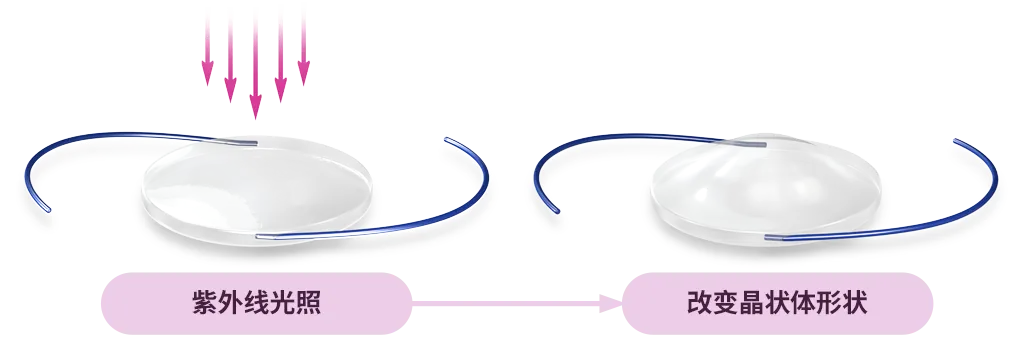
Light Adjustable Lens 由一种特殊的光敏材料制成,在紫外线 (UV) 照射下会轻柔地改变形状。在您的眼睛术后痊愈后,医生会根据您所期望的视力效果,使用新型 Light Delivery Device™ (LDD™) 来精确调整您的晶状体。每次治疗只需几分钟,医生会使用紫外线照射改变晶状体的形状,并根据您所期望的视力效果对您的验光处方进行微调。
术后预期

手术后三周左右,您将返回医生的诊室,开始光照治疗的定制过程。在这些就诊过程中,您将与医生一起决定哪种视力效果最适合您的生活方式。

为了在调整期间保护您的视力,您将佩戴 RxSight 防紫外线眼镜,以防止晶状体在最终锁定前发生意外变化。您将获得三种类型的护目镜,即有色眼镜、透明眼镜和透明阅读用眼镜,让您佩戴舒适、方便。在这里了解有关 RxSight 防紫外线眼镜的更多信息,以及这类眼镜如何为您提供帮助

治疗时间表

眼睛痊愈后,您最多可以接受三次光照调整治疗。随后进行两次“锁定”治疗,以保持定制效果。所有治疗均在医生诊室进行。

持久的解决方案

Light Adjustable Lens 与所有 IOL 一样,可以永久替代您眼睛的天然晶状体。它不会随着时间的推移而磨损或混浊,通常也不需要更换。在最终锁定后,您使用 Light Adjustable Lens 的视力将是您余生的视力。

您的视力应该反映您的生活方式。使用 Light Adjustable Lens 后,您不会被手术后的固定效果所束缚。相反,您可以体验自己的视力,并与医生一起定制适合您独特的生活方式和想要的视力。

有兴趣了解 Light Adjustable Lens 是否适合您?查找您附近的服务提供者,预约咨询。


  1. National Eye Institute. At a glance: cataracts. Accessed April 4, 2025. http://nei.nih.gov/learn-about-eye-health/eye-conditions-and-diseases/cataracts

近期文章

白内障手术与干眼症:须知事项

固定型与可调节型晶状体设计:了解哪种设计更适合您

了解白内障手术:让您的视力从此更清晰

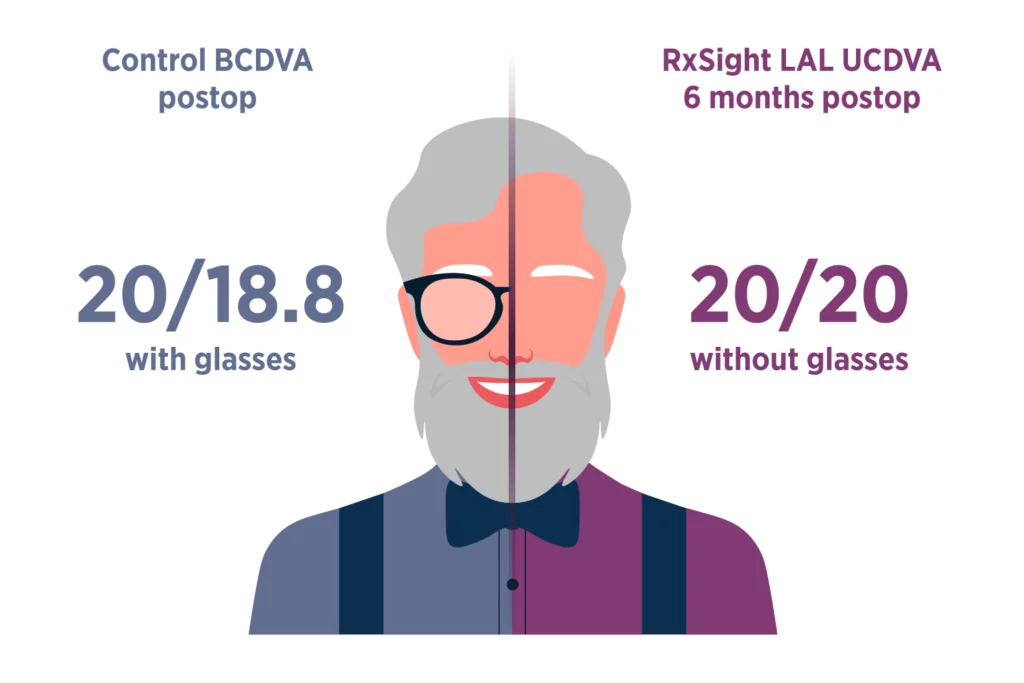
LAL patients saw nearly as well without glasses (UCDVA) as control patients did with glasses (BCDVA).

The Light Adjustable Lens provides optimized vision for patient satisfaction.2

Light Adjustable Lens patients saw nearly as well without glasses (UCDVA) as control patients did with glasses (BCDVA).

Since the Light Adjustable Lens is a monofocal lens, there is low risk of dysphotopsias caused by splitting light, leading to potentially enhanced vision and patient satisfaction.

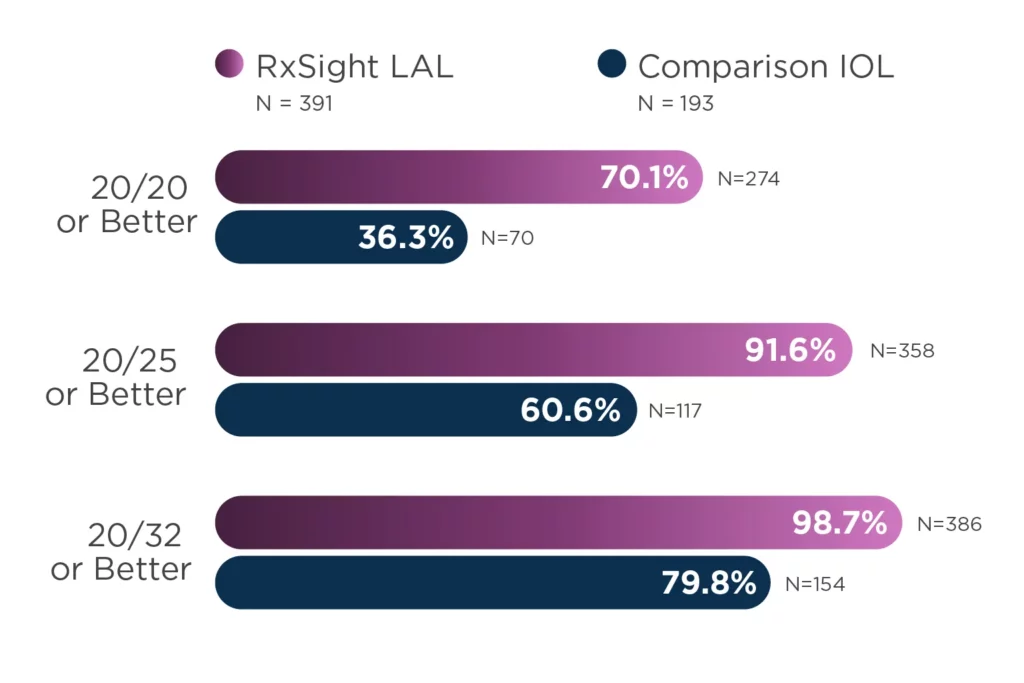
LAL patients are approximately two times more likely to achieve 20/20 vision or better without glasses at 6 months.

The Light Adjustable Lens offers LASIK-like accuracy in cataract surgery.2,3

92% of eyes (N = 391) achieved results within 0.50 D of target manifest refraction spherical equivalent (MRSE).

Patients are approximately two times more likely to achieve 20/20 vision or better without glasses at 6 months.

The study was a prospective, controlled, multicenter, 12-month study of 600 patients (ITT population) randomized to receive implantation with the RxSight LAL (N = 403) or a commercially available monofocal IOL (N = 197). Effectiveness analyses included 391 LAL patients and 193 control patients. Primary safety variables included best spectacle-corrected visual acuity (BSCVA) at 6 months and incidence of sight-threatening complications and adverse events. Primary effectiveness variables included percent reduction in manifest cylinder at 6 months, percent mean absolute reduction in MRSE at 6 months, and rotation of meridian of LAL at 6 months. Percent of eyes with an uncorrected visual acuity (UCVA) of 20/20 or better at six months post-operatively compared between the LAL treatment group and the monofocal control group was a secondary endpoint.

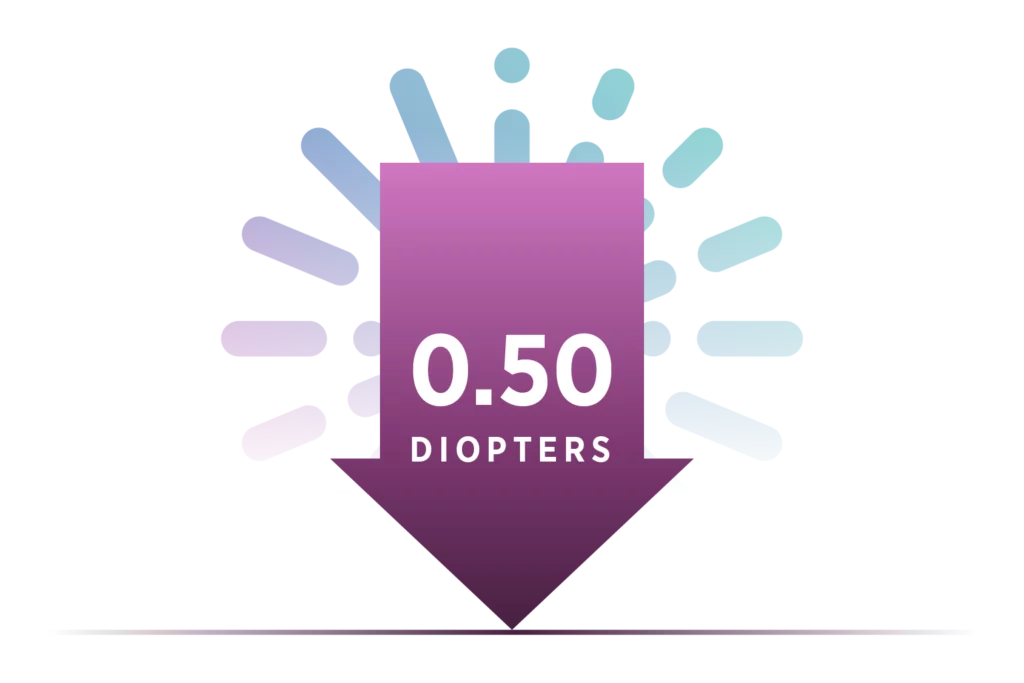
The Light Adjustable Lens corrects as low as 0.50 D of astigmatism, which is the lowest level approved to be treated.

The ability to treat 0.50 D of postoperative cylinder makes the Light Adjustable Lens the only IOL in the United States approved to correct this level of vision-altering astigmatism. Astigmatism of as little as 0.50 D can reduce visual acuity by one line, and the impact on dynamic, functional visual acuity and low-contrast acuity is even greater.1