Cataract surgery is supposed to sharpen your vision. So when things still look blurry weeks later, it’s fair to wonder what went wrong. Often, nothing did. Eyes take time to heal, and blurry vision is part of that. But blur that lingers past a certain point is telling you something different. Knowing where that line falls helps you ask more informed questions at your next appointment.
This page walks through the most common reasons vision stays blurry after cataract surgery, when to expect it to clear on its own, and what options exist when it doesn’t. It also introduces a different kind of lens decision for patients who haven’t had surgery yet—one that accounts for the reality that healing doesn’t always go exactly as predicted.
How Long Does Vision Stay Blurry After Cataract Surgery?
Some degree of blurry or fluctuating vision in the first days to weeks after cataract surgery is a normal part of healing. Your eye is recovering from surgery, the incision is healing, and your brain is adjusting to a new lens. Most patients notice meaningful improvement within the first week, with continued progress over the following weeks as swelling settles and the eye heals.
It’s been weeks and I still can’t see clearly—this concern tends to surface around the three- to four-week mark, when patients expected to feel “done.” If blur persists beyond this window, it’s worth a conversation with your surgeon or optometrist. Persistence isn’t always a problem, but it usually has an identifiable cause—and most causes are addressable.
For a full overview of the recovery timeline, see What to Expect After Cataract Surgery.
What Causes Blurry Vision After Cataract Surgery?
Persistent blur after the initial healing period generally falls into one of four categories. Your care team can help identify which applies to your situation.
Refractive miss. Every intraocular lens (IOL) prescription is calculated before surgery using measurements of your eye—but healing can shift where the lens ultimately sits and how the eye responds. Every IOL except the Light Adjustable Lens™ (LAL®) is fixed once implanted, so when the final prescription doesn’t land where it was intended, the result is blur that glasses, contacts, or a second procedure are typically needed to correct. The LAL is the only lens that can be adjusted after surgery—more on this below.
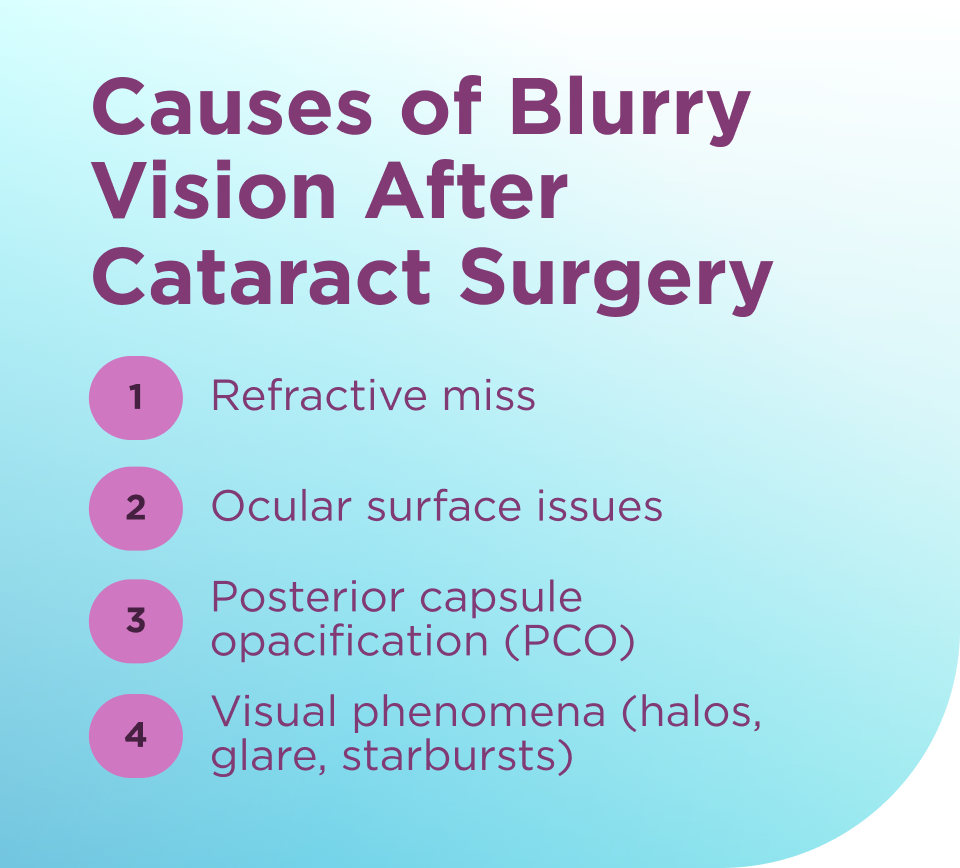 Ocular surface issues. Dry eye disease and other surface conditions can cause blurry or fluctuating vision that worsens throughout the day. This is a common and often underdiagnosed cause of postsurgical dissatisfaction. Treatment of the ocular surface frequently improves clarity without any change to the lens—and this holds true regardless of which IOL was implanted, including the LAL.
Posterior capsule opacification (PCO). The capsule that holds your lens in place can become cloudy weeks, months, or even years after surgery. PCO is very common and very treatable—a brief in-office laser procedure called YAG capsulotomy clears it quickly, and most patients notice improvement the same day. PCO can occur with any IOL, and YAG treatment is the same regardless of lens type.
Visual phenomena (halos, glare, starbursts). Some patients experience optical artifacts—especially in low light—that are distinct from standard blur. We cover halos, glare, and starbursts in depth in an upcoming post.
What Are the Options If Blurry Vision Persists?
The right path depends on the cause. Your surgeon or optometrist will work through the likely contributors before recommending next steps.

Glasses or contacts. If a refractive miss is the cause, glasses or contacts can compensate for the gap between where your prescription landed and where you wanted it to be. For many patients, this is a satisfactory solution. For others, it represents exactly the dependence they hoped to avoid.
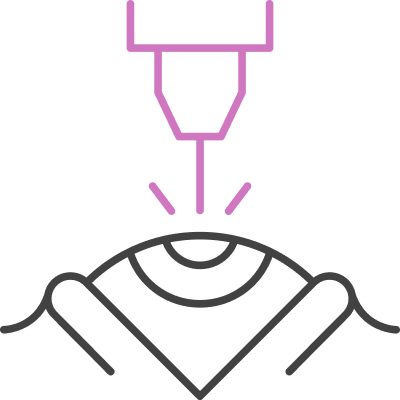
YAG laser for PCO. This is a quick, painless, highly effective office procedure. If PCO is the culprit, YAG is usually the first recommendation.
LASIK or PRK enhancement. Some patients with a refractive miss pursue laser corneal correction as a secondary procedure. This is covered in more detail in its own section below.
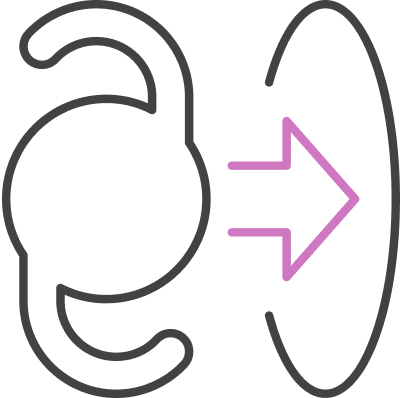
IOL exchange. “Can I change my lens?” and “can my lens be changed?” are questions that surface in patient communities regularly. IOL exchange—removing and replacing the implanted lens—is possible, but it is a more involved surgical procedure than the original cataract surgery and is typically reserved for cases where other approaches aren’t viable. It is not a routine corrective step.
What About LASIK or PRK After Cataract Surgery?
If you have persistent blur after cataract surgery due to a refractive miss, your surgeon may discuss laser corneal correction—LASIK or PRK—as a secondary option. These procedures reshape the cornea to compensate for the prescription gap; the implanted IOL remains in place.
 Whether this is appropriate depends on several factors: your corneal health, the size of the refractive error, and your surgeon’s clinical assessment. It can be a reasonable path for the right patient. It is not appropriate for everyone, and it represents a second procedure with its own recovery.
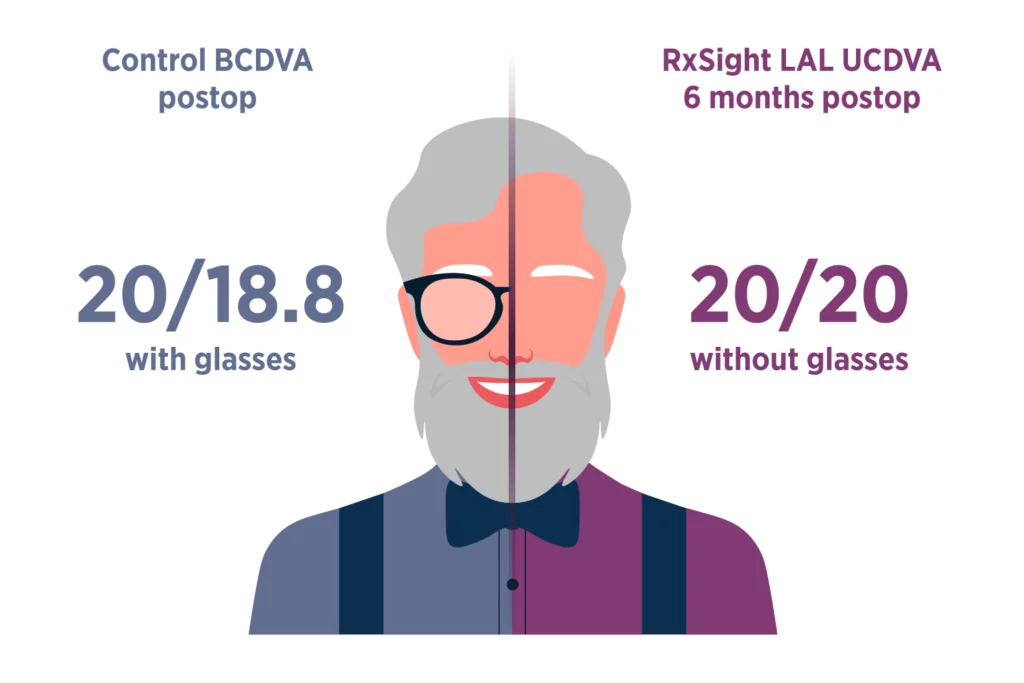
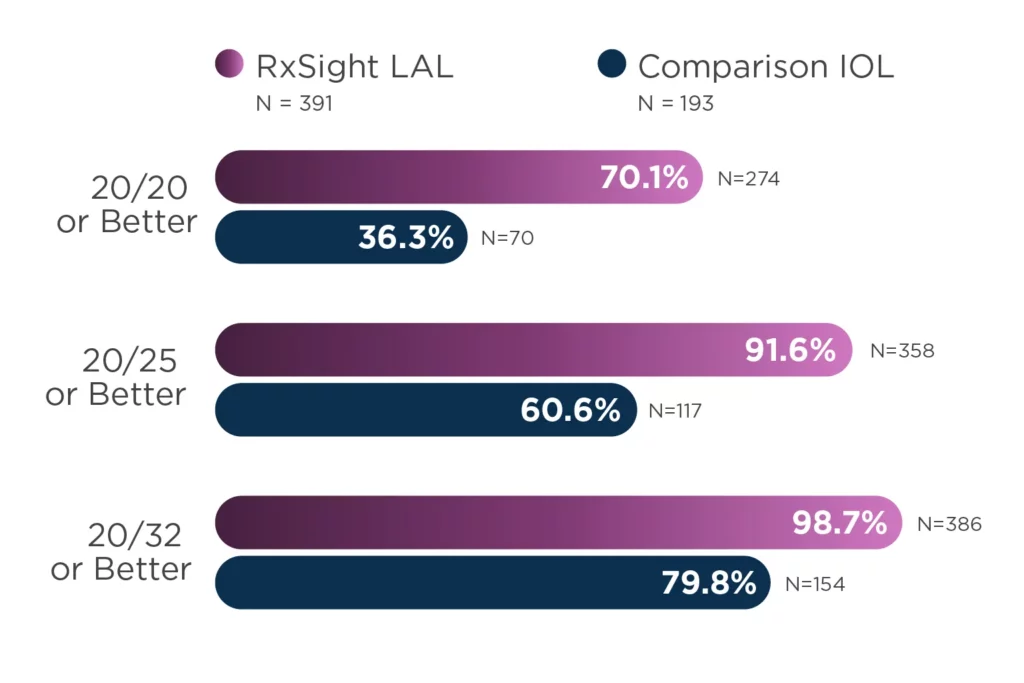
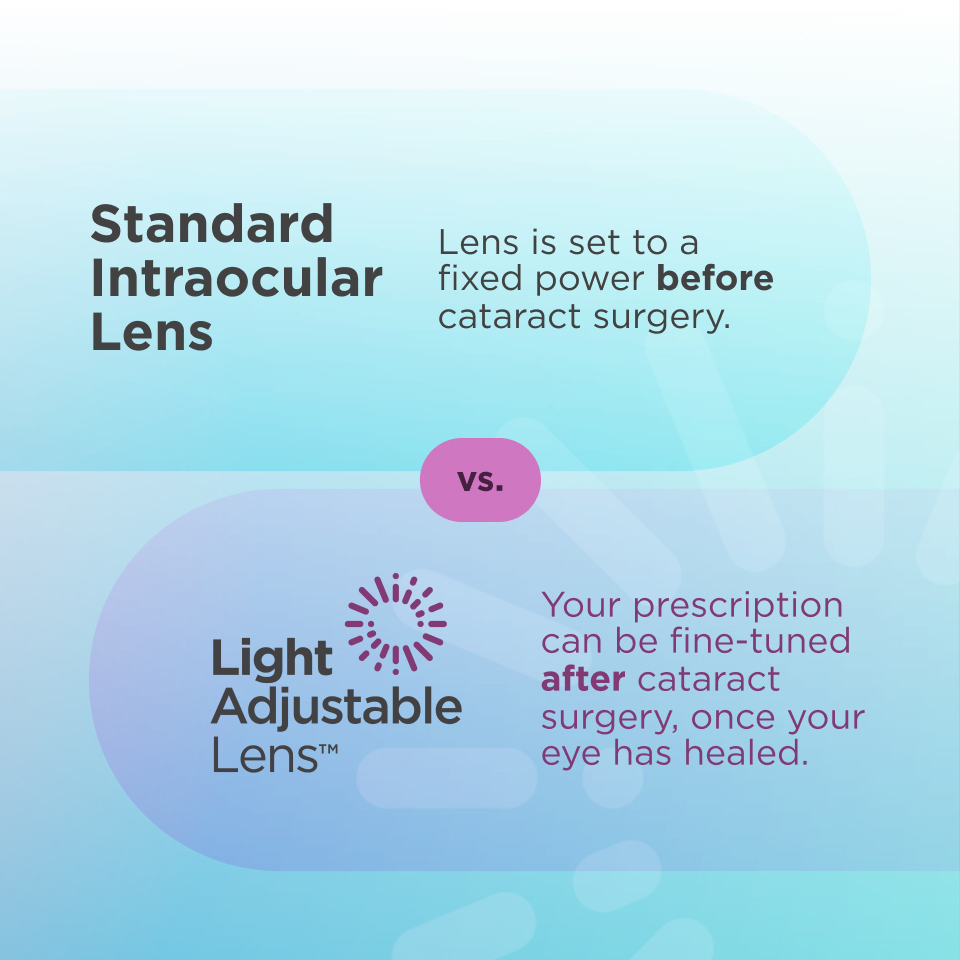
For patients who have not yet had cataract surgery, there is a different path worth knowing about. The Light Adjustable Lens™ (LAL®) allows the prescription to be refined after surgery—using non-invasive light treatments—based on how your eye has actually healed, before the vision is locked in permanently. For patients who want to avoid the possibility of a refractive miss in the first place, this is a different kind of decision structure: rather than predicting the ideal prescription before surgery and committing to it, the LAL allows the prescription to be confirmed and adjusted in the weeks after surgery, when the eye’s healing is visible.

Frequently Asked Questions
Is it normal to have blurry vision after cataract surgery?
Yes. Some blur during the first days to weeks of recovery is a normal part of healing. The eye is adjusting to the new lens, the incision is stabilizing, and swelling is resolving. Most patients notice significant improvement within the first week. If blur persists beyond three to four weeks, it is worth discussing with your surgeon or optometrist.
How long does vision stay blurry after cataract surgery?
Initial blur typically improves within the first one to two weeks. Full stabilization of vision can take several weeks as the eye continues to heal. If your vision remains significantly blurry at the four-week mark, contact your care team—persistent blur is usually traceable to a specific cause, and most causes are addressable.
Why is my vision blurry after cataract surgery?
The most common causes are normal healing variability, refractive miss (the lens prescription not landing where expected), ocular surface issues like dry eye, or posterior capsule opacification (PCO). Your care team can identify which is most likely based on an examination and your symptom pattern.
What causes blurry vision after cataract surgery?
Blur can result from refractive miss, ocular surface disease, posterior capsule opacification, or visual phenomena related to lens design. Each has a different cause and a different set of solutions. An examination is the right first step to determine which applies.
How do you fix blurry vision after cataract surgery?
Treatment depends on the cause. Refractive miss may be addressed with glasses, contacts, or laser enhancement. PCO is treated with a brief YAG laser procedure. Ocular surface issues are managed with drops or other surface treatments. IOL exchange is possible in rare cases. Results vary; discuss your specific situation with your surgeon.
Can blurry vision after cataract surgery be corrected?
In most cases, yes. The cause determines the approach: glasses or contacts for refractive miss, YAG laser for PCO, ocular surface treatment for dry eye. Each is well-established. The first step is identifying which cause is at work. Your surgeon or optometrist can guide you through that assessment.
Can I change my lens after cataract surgery?
IOL exchange—removing and replacing the implanted lens—is technically possible. It is, however, a more involved procedure than the original surgery and is generally considered when other approaches haven’t resolved the issue. Whether it is appropriate depends on your specific situation and your surgeon’s recommendation.
Is IOL exchange safe?
IOL exchange is a surgical procedure with its own risk profile, distinct from the original cataract surgery. It is generally performed in cases where other corrective options are not viable. Your surgeon is the right source for a direct conversation about whether it is an appropriate option given your specific circumstances.
What is LASIK after cataract surgery?
LASIK (or PRK) after cataract surgery is a corneal laser procedure performed as a secondary correction when the outcome of cataract surgery did not land where expected. LASIK and PRK reshape the cornea; the IOL remains in place. Eligibility depends on corneal health, the degree of the refractive miss, and your surgeon’s assessment.
What Can an Adjustable Lens Fix—and What Can’t It?
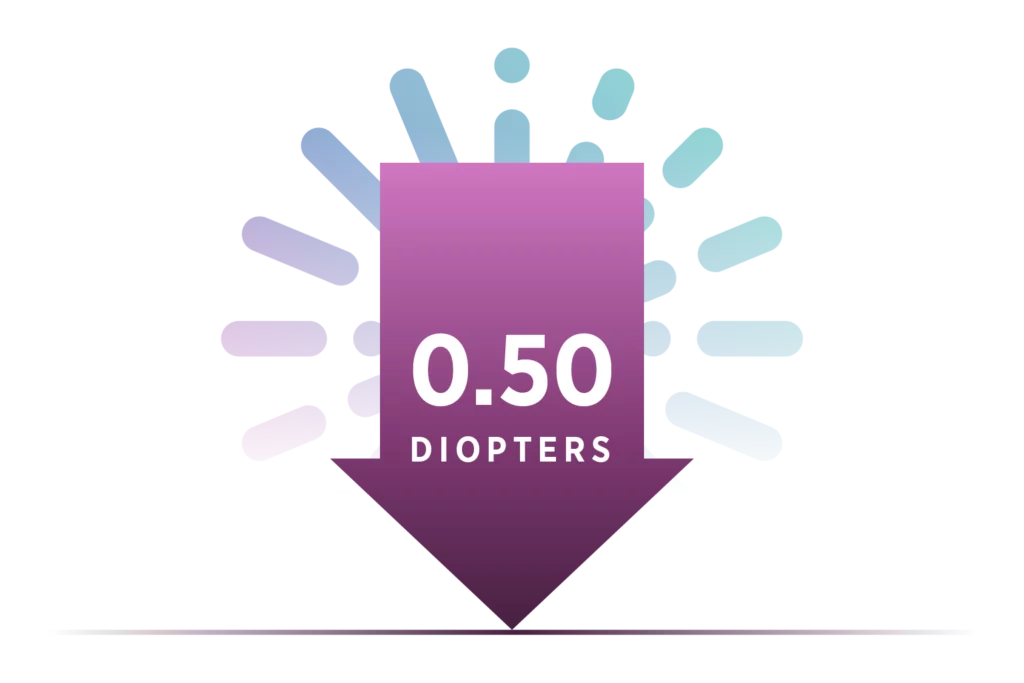
The Light Adjustable Lens™ (LAL®) is designed to refine refractive outcomes—your prescription, focus, and where your vision lands. After surgery, non-invasive light treatments allow your care team to adjust the prescription within a defined treatment window, based on how your eye actually heals. For patients concerned about a refractive miss—or wondering, “What if my vision isn’t right?”—the LAL offers a different approach: your care team can make adjustments during this window before the prescription is locked in.

Find a Light Adjustable Lens doctor near you.
If you haven’t had surgery yet, ask your surgeon whether the adjustable IOL is an option for you, or locate a surgeon who offers the LAL.
For informational purposes only. Not intended as medical advice. Always consult your eye care professional for guidance specific to your situation. For full safety information and indications for use, visit https://rxsight.com.
©2026 RxSIGHT. All Rights Reserved.