If you’re facing cataract surgery, you’ll be asked to choose a lens, and the options can get confusing quickly. Lenses range from standard options to premium lenses that may involve an added cost. Here’s what each type does, what it costs, and how to think through the decision with your surgeon.
Monofocal, Toric, Multifocal, and Adjustable Lenses—What’s the Difference?
Cataract surgery replaces your eye’s clouded natural lens with an artificial one, called an intraocular lens (IOL). The type you choose affects how much you may still rely on glasses afterward.

Monofocal lenses are the standard lens option commonly included with the cataract procedure. They’re set to one area of focus, usually distance, such as driving or watching television, before surgery, and they can’t be adjusted afterward.


Multifocal and extended depth-of-focus (EDOF) lenses are designed to expand your range of focus. Multifocal lenses use distinct zones to provide near, intermediate, and far focus points, while EDOF lenses provide a continuous range that typically favors distance and intermediate vision. Multifocal and EDOF lenses are set before surgery, and vision can’t be adjusted afterward.

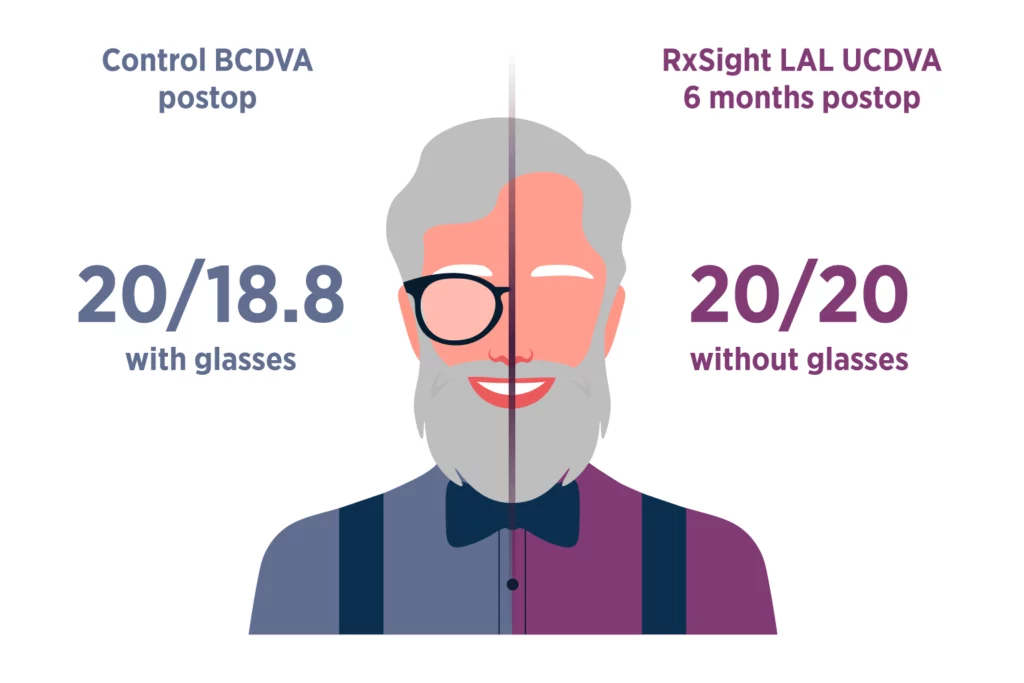
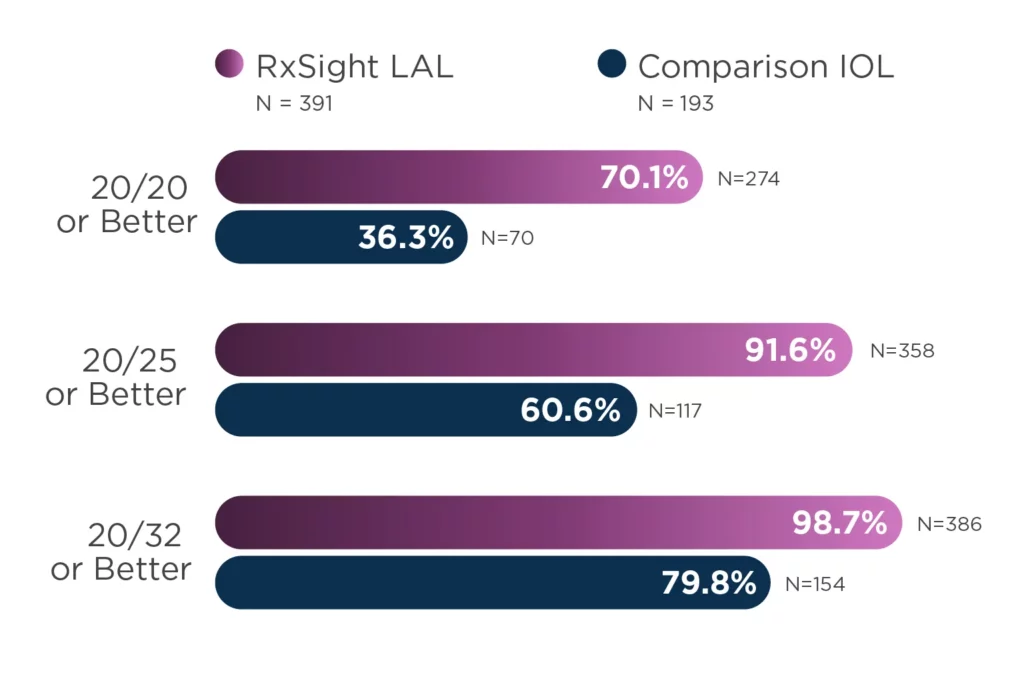
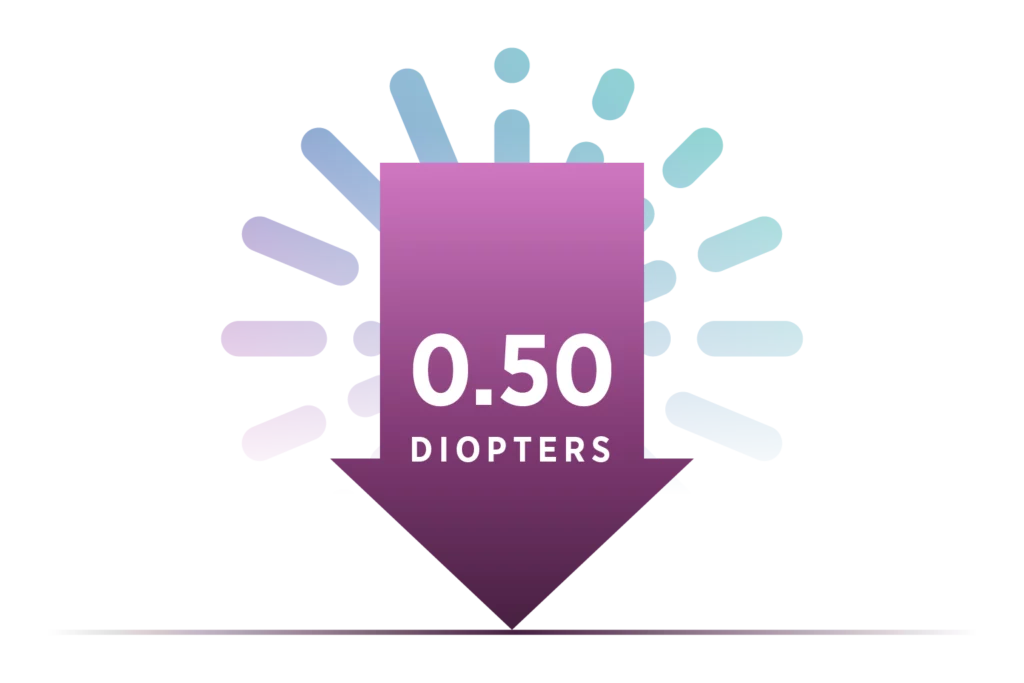
Adjustable lenses are the exception to the rule above. Like other lenses, the starting power is calculated before surgery, but unlike other lenses, the result is not final. Once your eye has healed and stabilized, your surgeon fine-tunes your vision based on how you actually see without a cataract, not on pre-surgery calculations alone. Adjustment addresses both focus and astigmatism, including residual astigmatism that remains after surgery. We cover this option in more detail below.
Here’s how the options compare at a glance:
| Lens Type | Vision Focus | Corrects Astigmatism? | Adjustable After Surgery? |
|---|---|---|---|
| Monofocal | One distance (usually far) | No — non-toric version | No — set before surgery |
| Monofocal Toric | One distance + astigmatism | Yes | No — set before surgery |
| Multifocal / EDOF | A range (near–intermediate–far) | No — non-toric version | No — set before surgery |
| Multifocal / EDOF Toric | A range + astigmatism | Yes | No — set before surgery |
| Light Adjustable Lens™ (LAL®) |
Customized to you, refined after your eye heals
|
Yes (reduces residual astigmatism)
|
Yes — the first and only FDA-approved adjustable IOL
|
What Is a Light Adjustable Lens, and How Is It Different?
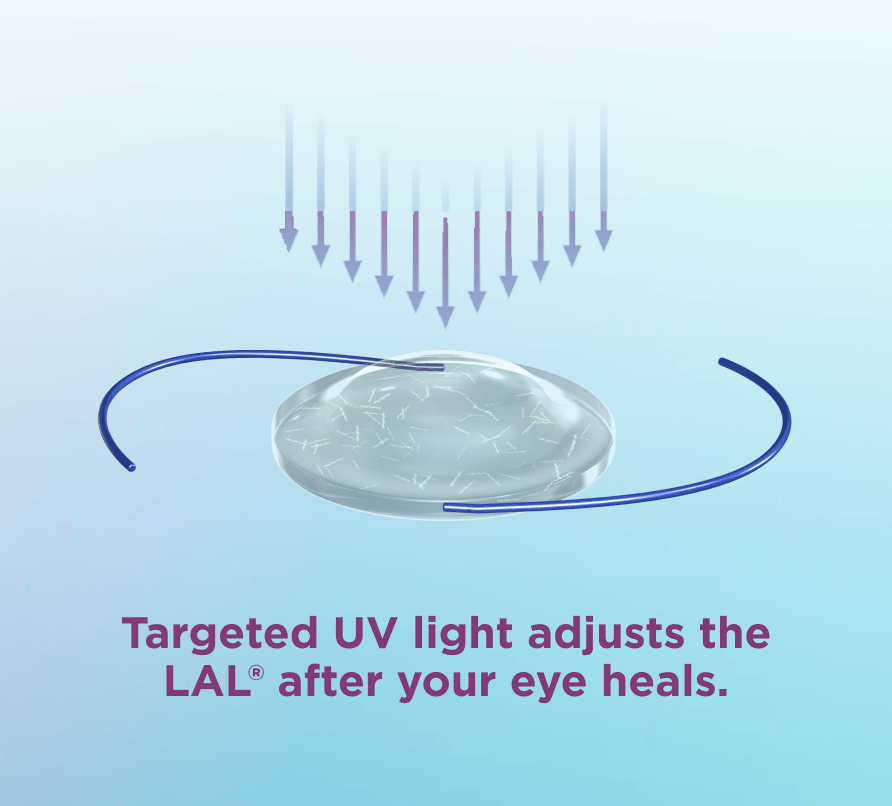 The Light Adjustable Lens™ (LAL®) is a premium lens option with one key difference from the others: it is the first and only lens that can be customized after cataract surgery. Adjustment can refine vision and remaining astigmatism after surgery. Once your eye has healed, your surgeon uses a series of light treatments to refine your prescription based on how you actually see, then locks in the result.
How Do You Choose the Right Cataract Lens?
There’s no single “best” lens—the right choice depends on your vision goals, your eyes, and your lifestyle.
Start by thinking through how you actually use your vision day to day. Do you drive at night often? Do you read for long stretches? Do you want to reduce how much you rely on glasses, or is that not a priority?
Bring those priorities to your consultation. Your surgeon will also factor in your eye health, and any astigmatism or other conditions such as dry eye or prior refractive surgeries, when narrowing down which lens types are a fit.
Part of that conversation is setting realistic expectations. Premium lenses—including multifocal, extended depth-of-focus, and adjustable options—may reduce how much you rely on glasses, though results vary. That’s different from a guarantee that you’ll never need glasses at all. Discuss your ideal vision goals with your surgeon before surgery to proactively decide on the best lens for your specific needs; this goes a long way toward being satisfied with your outcome.
What Do Cataract Lenses Cost?
Cataract lens costs vary widely depending on the lens you choose, your insurance, and your provider. Coverage differs between standard and premium lens options—including multifocal, extended depth-of-focus, and the Light Adjustable Lens. Your surgeon’s office is the best source for what applies to your situation.
As a premium lens, the Light Adjustable Lens may involve an added cost, which varies by provider. Every other lens used in cataract surgery is set to a fixed power before it goes in the eye. The Light Adjustable Lens is the only one that can be adjusted after surgery, so it can help to weigh the added cost against that unique benefit. Your surgeon can walk you through your options.
It can help to think about a premium lens in terms of the whole experience, not just the lens. With most lenses, your vision is decided before surgery, and surgery day is essentially the end of the process. With the Light Adjustable Lens, it is the beginning. After your eye heals, you get to test drive your vision in your day to day life, then work with your surgeon through a series of light treatments to refine your vision to your preference before locking in your prescription. You become an active participant in your final vision, and that is the value of this lens option. What’s included, and what it costs, vary by provider, so your surgeon’s office is the best place to understand what applies to your situation.
Frequently Asked Questions
What are your cataract lens options?
The main categories are monofocal, multifocal or extended depth-of-focus, and adjustable lenses—plus toric correction, which can be added to a monofocal or multifocal lens if you have astigmatism. Your surgeon matches the type to your eyes and lifestyle.
What’s the difference between monofocal, toric, multifocal, and adjustable lenses?
Monofocal lenses focus at one distance. Multifocal and extended depth-of-focus (EDOF) lenses aim to cover more than one distance. Toric lenses correct astigmatism and can be combined with either monofocal or multifocal vision correction. Adjustable lenses can be refined after surgery.
How much do cataract lenses cost?
Lens costs depend on the option you choose and your specific insurance plan. Premium options—including toric correction, multifocal, extended depth-of-focus, and adjustable lenses—may carry an out-of-pocket cost beyond what standard coverage provides. Ask your surgeon’s office for specifics.
What is a light adjustable lens, and how is it different?
The Light Adjustable Lens (LAL) is a premium cataract lens option that can be adjusted after surgery to optimize your vision. Adjustment can refine both vision and astigmatism after your eye heals. Once healing is complete, your surgeon uses light treatments to refine the prescription based on how you actually see, rather than relying only on pre-surgery estimates.
How do you choose the right cataract lens?
Start with how you want to see—distance, near, glasses dependence, night driving—and your eye health. Bring those priorities to your consultation; your surgeon matches a lens to your goals and explains the trade-offs, so you decide together.
What should you realistically expect from a premium lens?
Premium lenses can reduce dependence on glasses for many people, but results vary and no lens guarantees you’ll never need glasses. Realistic expectations, set with your surgeon, are the best predictor of satisfaction.

Questions to Ask Your Surgeon Before You Choose
Choosing a cataract lens works best as a conversation, not a solo decision. Before your consultation, it can help to think through:
- How much do you currently rely on glasses, and would you like that to change?
- What does your daily routine require most—distance vision, near vision, or both?
- Do you have astigmatism or other eye conditions such as dry eye or prior eye surgeries that would affect your lens options?
- What’s included in your pricing for premium lens options?
- What can you realistically expect from your lens choice in regard to vision after surgery?
Bring this list with you. The right lens is the one that matches your eyes, your goals, and your budget—and your surgeon is the best partner in that decision.

Find a Light Adjustable Lens doctor near you.
If you haven’t had surgery yet, ask your surgeon whether the Light Adjustable Lens is an option for you, or locate a surgeon who offers the LAL.
For informational purposes only. Not intended as medical advice. Always consult your eye care professional for guidance specific to your situation. For full safety information and indications for use, visit rxsight.com.
©2026 RxSIGHT. All Rights Reserved.