乾眼症和白內障都是常見的老年性眼病。事實上,這類眼病經常同時發生,而且會在一些重要方面相互影響。1如果你正準備接受白內障手術,瞭解乾眼症與手術效果之間的關聯是幫助你在術後獲得理想視力效果的關鍵。
什麼是乾眼症?
隨著年齡的增長,我們眼睛分泌的淚液越來越少,品質也越來越差,無法為眼睛帶來足夠的潤滑作用。這會損害眼睛表面或角膜,導致炎症和以下症狀:2
- 眼睛有燒灼感、刺痛感或刺癢感
- 視力模糊,眨眼後有所改善
- 眼內有如沙粒入眼的異物感
- 眼睛發紅或眼睛內部或周圍出現絲狀黏液
- 眼睛流淚
- 眼睛疲勞
- 對光線敏感
- 佩戴隱形眼鏡困難
- 夜間駕駛困難
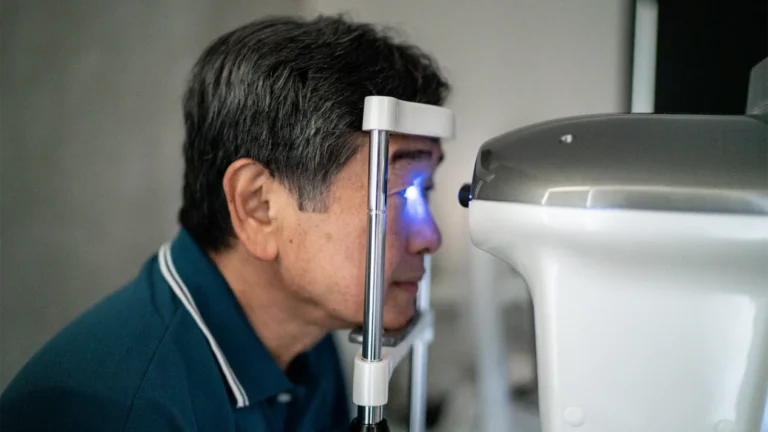
如果你懷疑自己患有乾眼症或出現任何相關症狀,請務必在接受白內障手術前與你的眼科醫生進行溝通。在手術前的評估中,你的服務提供者會詢問你的乾眼症狀,並進行臨床評估,檢查是否有乾眼症的跡象。這一步至關重要,因為有些患者可能感覺不到任何症狀,但仍有潛在的乾眼症臨床表現,只有透過適當的檢查才能發現。如果存在乾眼症,在手術前開始治療方案非常重要,因為提前控制病情可以改善手術效果和整體舒適度。
白內障手術如何影響乾眼症
白內障手術是安全有效的,但它可能會暫時加重你原有的乾眼症狀,或帶來新的乾眼症狀。這是由於手術破壞了眼球表面、白內障手術過程中手術顯微鏡發出的強光以及白內障手術後使用的處方藥(如類固醇和抗生素眼藥水)造成的。3-6這些都可能導致淚液分泌的暫時性改變,但通常會隨著時間的推移和適當的護理而得到改善。7如果乾眼症狀得不到控制,就會影響傷口癒合和視覺清晰度。
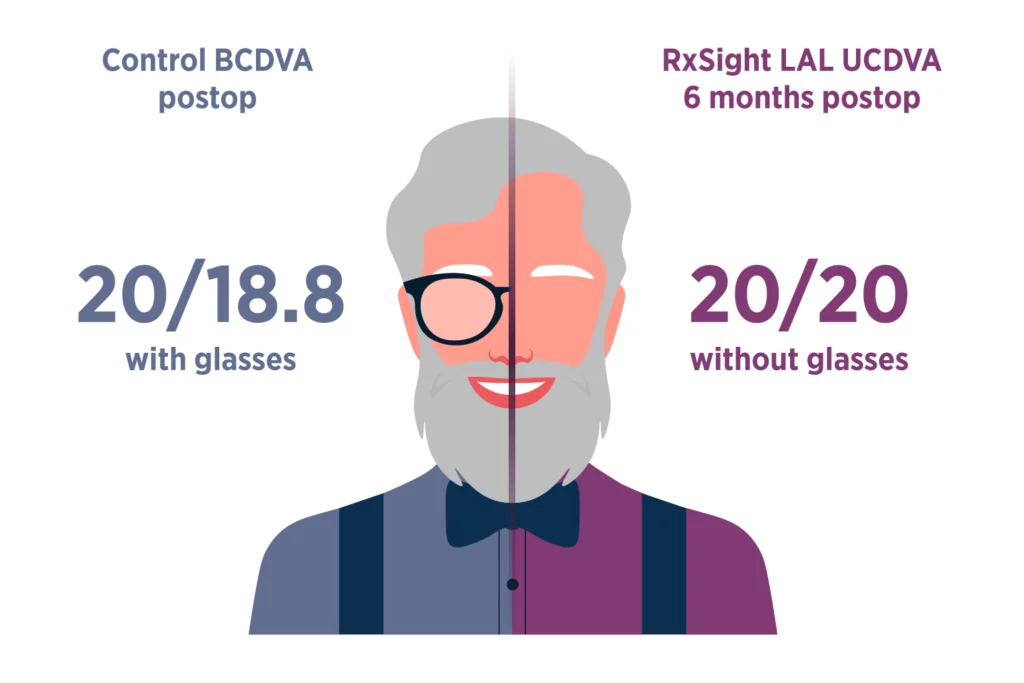
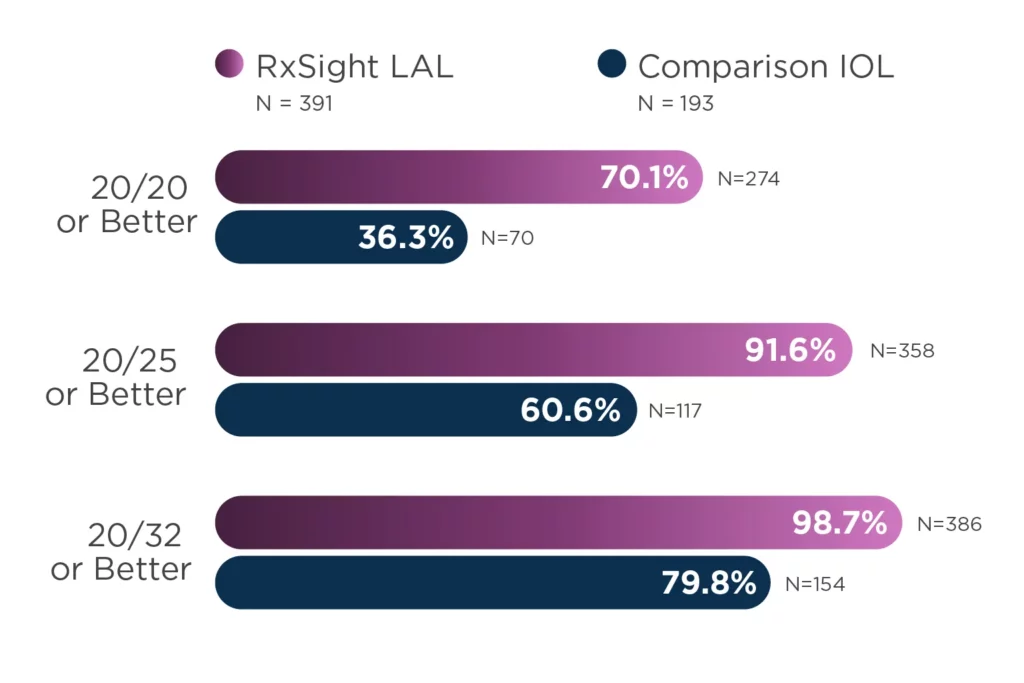
健康的淚膜對清晰的視力至關重要。當眼球表面乾燥或受到刺激時,光線在到達視網膜之前就會散射,進而降低圖像品質,使術後調整的測量工作變得困難。為了幫助確保任何人工晶體(包括 RxSight Light Adjustable Lens™ (LAL™))都能獲得清晰的圖像品質,在手術前後可能需要進行乾眼症治療,以便讓你的眼球表面有時間在手術後恢復。此外,讓你的眼球表面處於最佳狀態對於精確光照調整也非常重要。
術後保護眼睛健康
使用 LAL 進行白內障手術後,你將經歷三個階段的護理,包括術後恢復期、視力個人化調整期以及最終鎖定期。以下是每個階段的主要注意事項:
術後恢復期。 術後幾天內,視力模糊或朦朧,感覺輕微刺激是正常的。這是恢復過程的一部分。除了使用 RxSight 防紫外線保護眼鏡外,還必須遵照眼科護理團隊提供的眼藥水使用說明,以優化眼睛恢復。其中包括用於預防感染和促進恢復的處方眼藥水,以及用於維持眼表健康的人工淚液。
視力個人化調整期。 當你和眼科醫生一起努力將視力調整到你喜歡的程度時,一定要在整個光照調整過程中堅持使用眼藥水,以促進眼表健康。
最終鎖定期。 一旦你對自己的視力感到滿意,現在就是鎖定晶體度數的時候了。為了達到最佳效果,盡可能保持眼表健康非常重要。
為了在白內障手術後和整個光照調整過程中儘量減少乾眼症狀,促進眼表健康,請遵守以下建議:
- 遵照眼科醫生的指示在術後滴眼藥水。 這些眼藥水可以減輕炎症、預防感染並保持眼球表面健康。
- 按照建議使用人工淚液。
- 在恢復初期,避免過多的螢幕時間,因為這會減少眨眼次數。
- 如持續感到不適,請盡快告知你的醫生。
要旨
乾眼症和白內障往往同時發生,但只要在手術前後進行適當的護理,就能保護你的舒適度、視力和眼睛的長期健康。如果你選擇了 RxSight Light Adjustable Lens(光可調晶體),保持眼睛健康將有助於你獲得最清晰、最精確的效果。
- Donthineni PR, Deshmukh R, Ramamurthy C, et al. Management of cataract in dry eye disease: preferred practice pattern guidelines.In J Ophthalmol.2023;71(4):1364-1372.
- Mayo Clinic.Dry eyes.Accessed August 14, 2025. https://www.mayoclinic.org/diseases-conditions/dry-eyes/symptoms-causes/syc-20371863
- Ishrat S, Nema N, Chandravanshi SCL. Incidence and pattern of dry eye after cataract surgery. Saudi J Ophthalmol. 2018;33(10):34-40.
- Sutu C, Fukuoka H, Afshari NA Mechanisms and management of dry eye in cataract surgery patients. Curr Opin Ophthalmol. 2016;27:24-30.
- Cho YK, Kim MS. Dry eye after cataract surgery and associated intraoperative risk factors. Korean J Ophthalmol. 2009;23:65-73.
- Li XM, Hu L, Hu J, Wang W. Investigation of dry eye disease and analysis of the pathogenic factors in patients after cataract surgery. Cornea. 2007;26(9 Suppl 1):S16-S20.
- Yao K, Bao Y, Ye J. Efficacy of 1% carboxymethylcellulose sodium for treating dry eye after phacoemulsification results from a multicenter, open-label, randomized, controlled study. BMC Ophthalmol. 2015;15:28.