Personalizing the Patient Experience with the Light Adjustable Lens™

A premium product deserves a premium patient experience. Joe Ling, MD, and Shareef Mahdavi from the Laser Eye Center of Silicon Valley in San Jose, CA, discuss how they personalize the patient experience with the Light Adjustable Lens™ (LAL®) at their practice.
Optimizing the Light Adjustable Lens™ Outcomes, Starting at the Surface
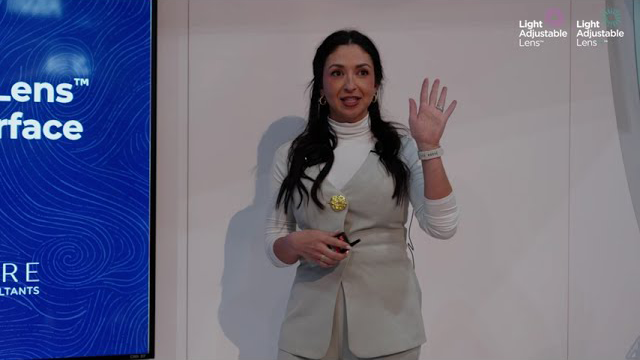
Alison Early, MD, from Signature Cataract and Laser Consultants in Middletown, OH, shares insights on how to optimize Light Adjustable Lens™ (LAL®) outcomes by properly managing the ocular surface.
The Light Adjustable Lens™: Piloting Customized Vision Solutions in Aviation
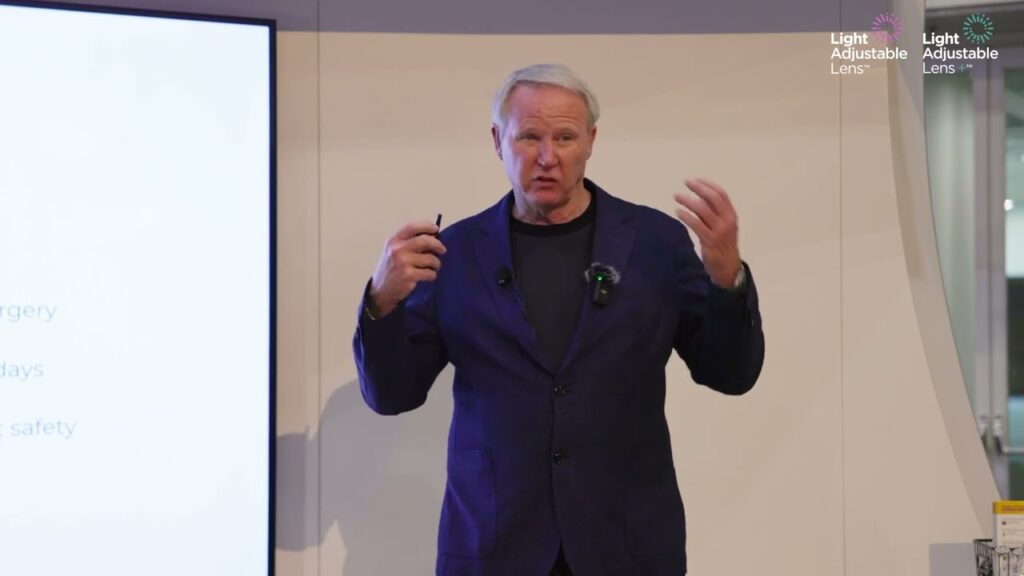
Mark Kontos, MD, from Empire Eye Physicians in Spokane Valley, WA, shares his experience with the Light Adjustable Lens™ (LAL®) and discusses how he uses the lens to provide customized vision solutions for his patients.
Beyond Outcomes: A Business Case for the Light Adjustable Lens™
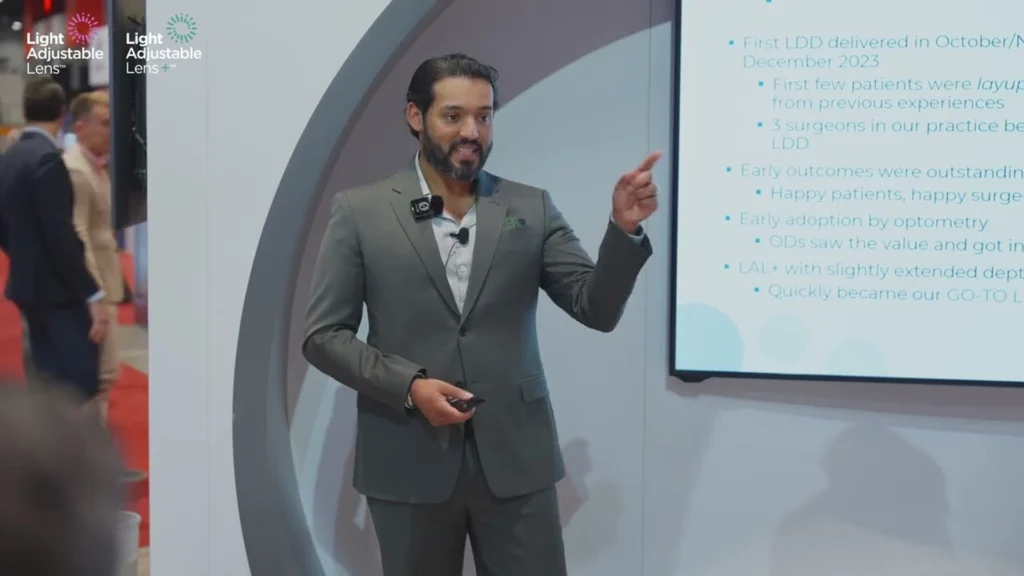
Successful optimization of the Light Adjustable Lens™ (LAL®) technology can have a positive ripple effect in your practice and beyond. Neel Vaidya, MD, with Chicago Cornea Consultants in Chicago, IL, shares practice pearls on how they made the economics of this technology work for them, and real-world insights on how this shared confidence can inspire […]
A Collaborative Approach to Success with the Light Adjustable Lens™
Crafting successful outcomes with the Light Adjustable Lens™ (LAL®) starts with your team. Evan Schoenberg, MD, with Georgia Eye Partners in Atlanta, GA, breaks down how he applies a collaborative approach to Light Adjustable Lens treatments. He discusses how to clearly define roles within your team structure, from technicians to co-managing doctors, and the importance […]
Seamless Transition: Aligning Team Communication for a Smooth Light Adjustable Lens™ Journey
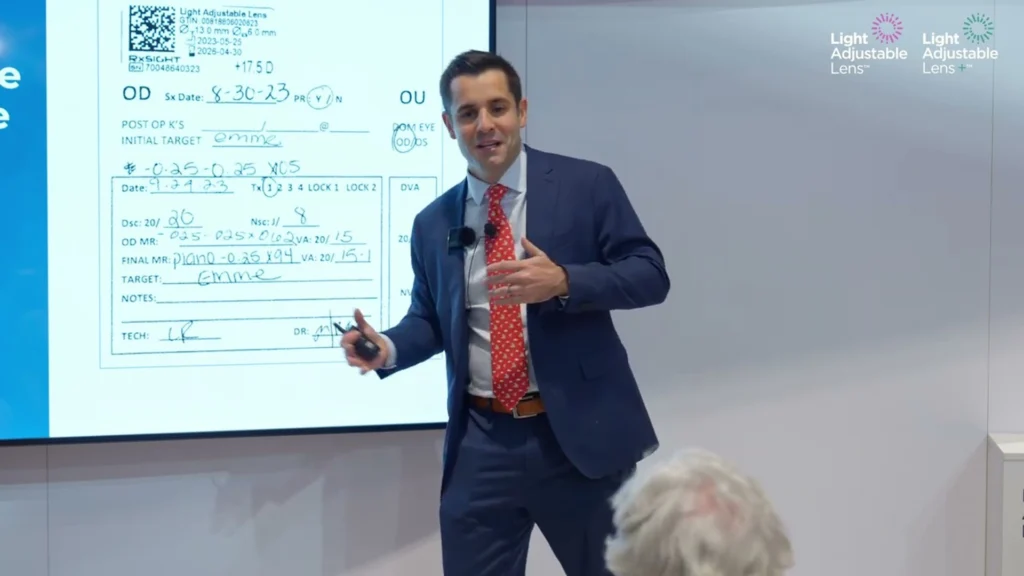
To incorporate the best technology, you first need to have a great workflow. Joaquin De Rojas, MD, with Center For Sight in Sarasota, FL, shares practice pearls for seamlessly integrating Light Adjustable Lens™ (LAL®). He shares his practice’s integration journey—focusing on strong communication skills and the collaborative care model—and how they work together to deliver […]
Seeing the Light: Discovering that the Light Adjustable Lens™ Will Succeed in Your Practice
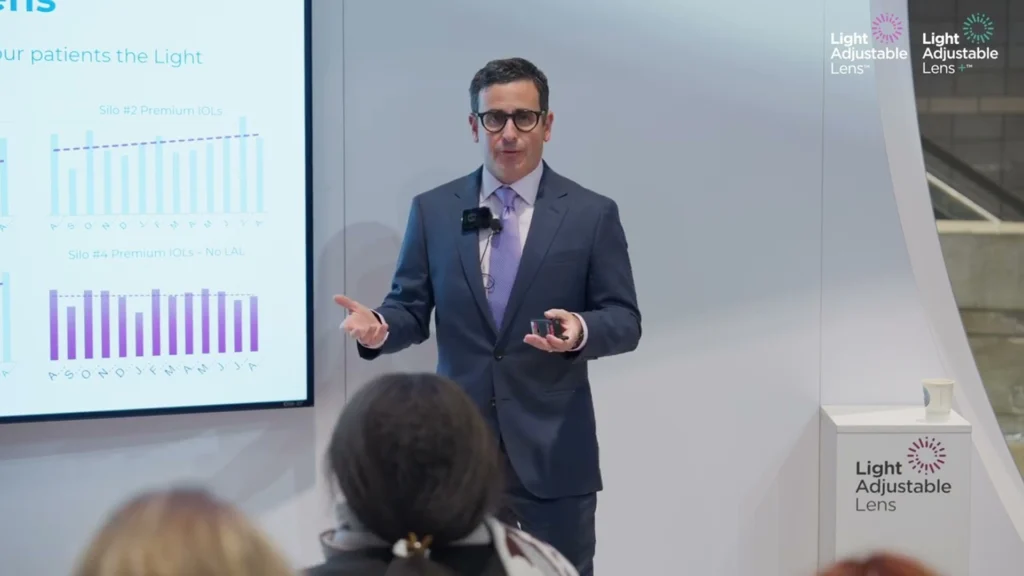
Matt Kaufman, MD, with Eye Health Northwest in Portland, OR, shares how his practice saw a large increase in ROI after successfully integrating the Light Adjustable Lens™ (LAL®). However, this success didn’t come overnight. He and his team started by getting comfortable with the surgical technique, patient counseling and scheduling, and delivering light adjustments. One […]
Optimizing Outcomes: Unlocking the Optical Quality of the Light Adjustable Lens™
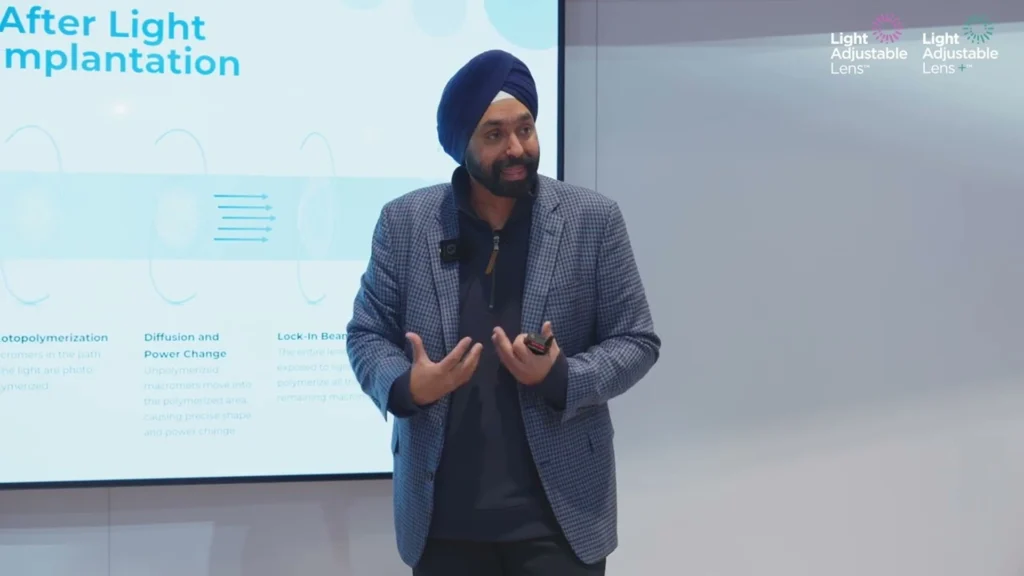
Providing your patient with a clear vision solution is no small feat, but how do you know if you’re delivering on what’s best for them? As Dr. Paul Singh, with the Eye Centers of Racine & Kenosha in Racine, WI, states in this video, “It’s time to stop fitting the patient to the lens, and […]